Background
 Strategic Funding Advisor
 Firm Expertise
 Practical Experience
 Legendary Customer Service
 Closed Deals
 Testimonials
 Business Funding
 Acquisition Funding
 Mezzanine Funding
 Advisory
 Mezzanine Funding
 Mezzanine Expertise
 Mezzanine Tools
 Acquisition Funding
 Acquisition Funding Expertise
 Advisory
 Case Studies
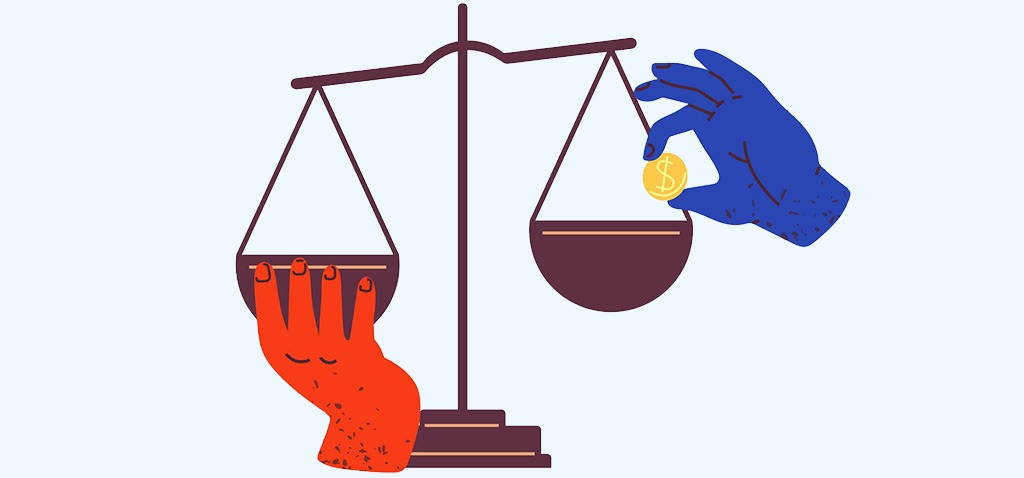
Earn-outs are used by buyers to plug the valuation gap. Sellers want more for their business and the buyer cannot afford to provide cash, so they settle on an earn-out. An earn-out is a technical name for an extra payment to the seller based on the future performance of the business. If the business performs and hits the target, the earn-out is paid.
It all seems very simple until you zoom out and consider two important factors that are rarely considered when the earn-out is being negotiated early on in the deal process – operational changes and the lender.
Earn-outs need an easy way to measure the business post-closing for them to work. Operational changes can cause short-term revenue or earnings misses which distort profitability and cause performance dips, leading to earn-out misses. Rarely are the buyer’s post-closing operational changes synced up with the earn-out measurement so that these things are adjusted out. Usually, these changes irritate the seller in the first place because they were not fully disclosed. When the financial impact causes the earn-out to be out of the money, sellers get very upset.
Secondly, the lender’s treatment of the earn-out often adds insult to injury for the seller. The earn-out is usually subordinated to the lender, meaning the company has to meet covenant conditions and earn-out performance targets in order to pay the earn-out to the seller. If the performance is not there, the lender will not allow the payment to be made, regardless of whether the buyer wants to pay it.
The buyer may try to negotiate with the financing provider to allow the payment, but the issue tends to be black and white for the lender.
Financing and Earn Out Structure
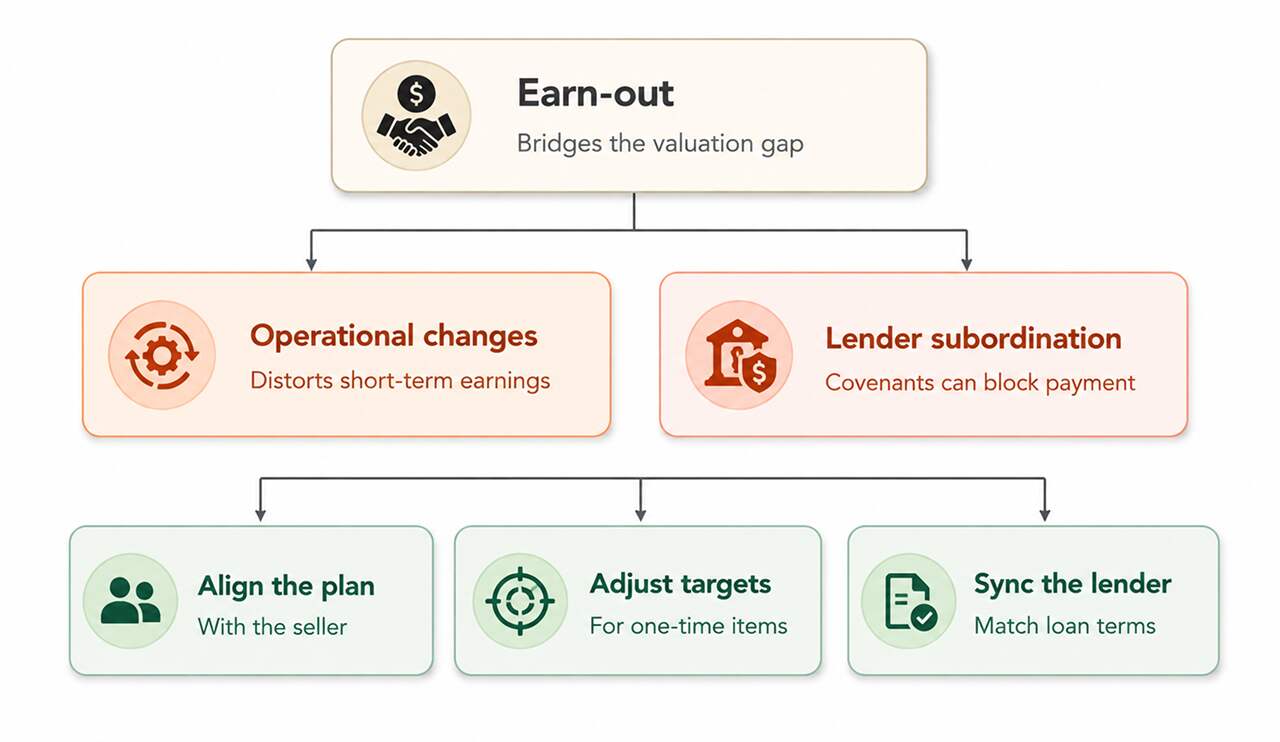
For an earn-out not to go sideways, the buyer has to go the extra mile and make sure of a few things. First, the operating plan should be discussed and aligned with the seller. Second, the buyer needs to carefully account for any one-time adjustments the initial implementation creates in the earn-out target definition. Third, buyers need to get the financing provider on board with this approach, so the subordination language mirrors the language in the earn-out agreement.
In short, buyer, seller and financing provider need to be on the same page.